


In the world of investment, as in numismatics, attention to detail can make all the difference. It would seem that what can a tiny letter on an ancient coin mean? But it is a Morgan silver dollar mint mark, but in some cases a barely noticeable mint mark can increase the value of a silver dollar in tens or even hundreds of times. This example illustrates how non-obvious details can be key when choosing a strategy, especially in an unstable economy.
Today, when classic investment instruments are increasingly losing reliability and inflation is eroding savings, many people wonder: where is the “value” really hidden? Bank deposits are yielding paltry interest rates, the stock market is feverish, and real estate is becoming less and less affordable. All this prompts us to look for alternative ways – those that do not lie on the surface, but can protect and even multiply capital.
Today we propose to discuss some unconventional and effective ways to save your money when the usual methods no longer work. Some of them are based on physical assets, others are based on modern digital solutions, and some of them may even seem like hobbies that eventually start generating profits. If you are looking for new paths to financial sustainability, here you may find some interesting and viable alternatives.
- Investing in Physical Gold and Silver
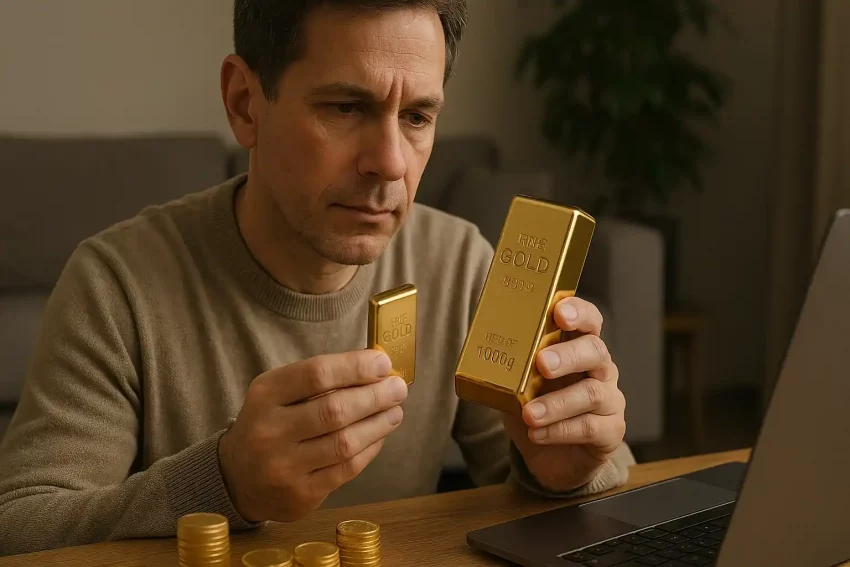
Gold and silver aren’t just shiny metals used for jewelry – they are time-tested financial shields. When the economy shakes, markets tumble, and currencies lose value, investors often turn to precious metals for stability.
Just think about the 2008 financial crisis. Back then, gold jumped from around $800 to nearly $1,900 per ounce in just a few years and people who held onto physical gold didn’t just protect their wealth – they actually grew it.
Why this happen is simple:
- Gold and silver are real, physical assets. You can hold them in your hand – they are not just numbers on a screen.
- They are limited in supply. You can’t just print more like you can with money.
- They are globally recognized. No matter where you are, someone will always value gold and silver.
- They are independent of central banks. No government decisions can suddenly wipe out their worth.
And here is also something cool: silver isn’t just a precious metal – it’s also industrial (widely used in solar panels, electronics, and even medical equipment). So its value isn’t just tied to the financial world but connected to innovation and sustainability.
If you’re just starting out, don’t stress about buying full gold bars. You can begin small – try fractional gold coins or modest silver bars to build your portfolio over time.

- Crowdlending and Peer-to-Peer Loans: Let Your Money Work for You
It can be said that the gold is your safety net, then crowdlending is your chance to put your money to work. It is a modern way of investing where you act like a mini bank – lending money directly to real people or small businesses through online platforms.
While your typical bank deposit might bring you 1–2% interest per year (if you are lucky enough), P2P platforms often offer 6–10%. That is a noticeable difference , especially in uncertain times when having multiple income streams matters more than ever.
Below in the table you may find side-by-side comparison table to show you how it works in real life:
| Feature | Bank Deposit | P2P Lending Platform |
| Average return | 1-2% annually | 6–10% annually |
| Minimum investment | From $500 | From $10 |
| Risk level | Very low | Medium – depends on the platform |
| Access to funds | Limited (locked-in) | Flexible, often anytime |
| Platform examples | — | Mintos, PeerBerry, Bondora |
Sure, P2P lending carries more risk than a savings account and some borrowers might default. But many platforms offer buyback guarantees or partner with debt collection agencies to minimize your losses. And you can spread your money across dozens (even hundreds) of loans to reduce your exposure.
The best part is that this process can be almost completely automated. Many platforms allow you to set filters by risk level, term, and loan amount, and then manage everything in the background. You just sit back and watch your money grow – it’s like planting a tree, so it takes time at first, but over time it starts to bear fruit.
- Coin Collecting: A Hobby That Can Generate Profit
Surprisingly, coin collecting can also be a smart investment strategy. Many people start collecting coins as a pastime, but over time, they realize that some coins can significantly appreciate in value. While it’s common to think of coins as mere currency or souvenirs, certain rare and well-preserved coins can become incredibly valuable, often outpacing traditional investments.
Coin collecting works because it taps into the concept of scarcity. The fewer there are of a particular coin, and the more in-demand it becomes, the higher its value. This is a principle that mirrors many other forms of investment – rarity, condition, and demand all contribute to value growth.
So, if you decide to try coin collecting, don’t feel the need to jump into high-value coins right away. You can begin with coins that intrigue you, and focus on learning the market trends. As you build your collection, aim for pieces in excellent condition, as their value can skyrocket in the future. And here you also need to learn some rules:
- Protect your investment. Store your coins in high-quality, protective capsules to prevent damage. Proper storage is essential to maintaining their value.
- Research and learn.The coin market is ever-changing. Pay attention to which coins are gaining popularity and which ones are losing their charm. Subscribe to numismatic journals or follow experts online to stay updated on the best buys.
Lifehack: Use tools like the Coin ID Scanner app to easily identify coins, check their authenticity, and estimate their market value. Due to this tool you can easily navigate the complex world of numismatics and make better purchasing decisions.
- Investing in Collectible and Historical Items: The Charm of Tangible Assets
Well, collectible and historical items are another avenue to consider. Antiques, rare wines, luxury watches, and fine art have always been sought after, and their value tends to grow steadily over time.
Collectibles are often immune to market volatility. While the stock market fluctuates, items like Rolex watches or vintage Château Lafite Rothschild wines often see a steady rise in value. These investments aren’t just about the money – they carry history, artistry, and craftsmanship that make them inherently valuable. And if you know what you’re looking for, you can purchase items that appreciate far beyond what you paid for them. But before buy something, study some tips:
- Know the market: Research the items you’re interested in. Understand what makes certain watches, wines, or antiques worthy.
- Focus on provenance: The history of an item can dramatically increase its worth, so always ensure you have proof of authenticity and provenance.
- Buy quality: It’s better to invest in a few high-quality items than to accumulate many lesser-quality pieces.
Interesting fact: Over the past decade, Rolex watches have appreciated by an average of 150%, while fine wines like Château Lafite Rothschild have increased in value by up to 400%. So think twice about what you want to buy.

Finding Value in Instability
In a world of unstable economies, it’s important to be able to notice the details that are hidden from view, so paying attention to out-of-the-box investment opportunities can be the key to financial success. So, look to the future with the realization that instability can be used as an opportunity. Whether you choose gold, coin collecting, or investing in rare items, it’s important to always remember: value doesn’t always lie on the surface, so you need to discover new paths, and smart tools can help you find riches and protect your assets along the way.